
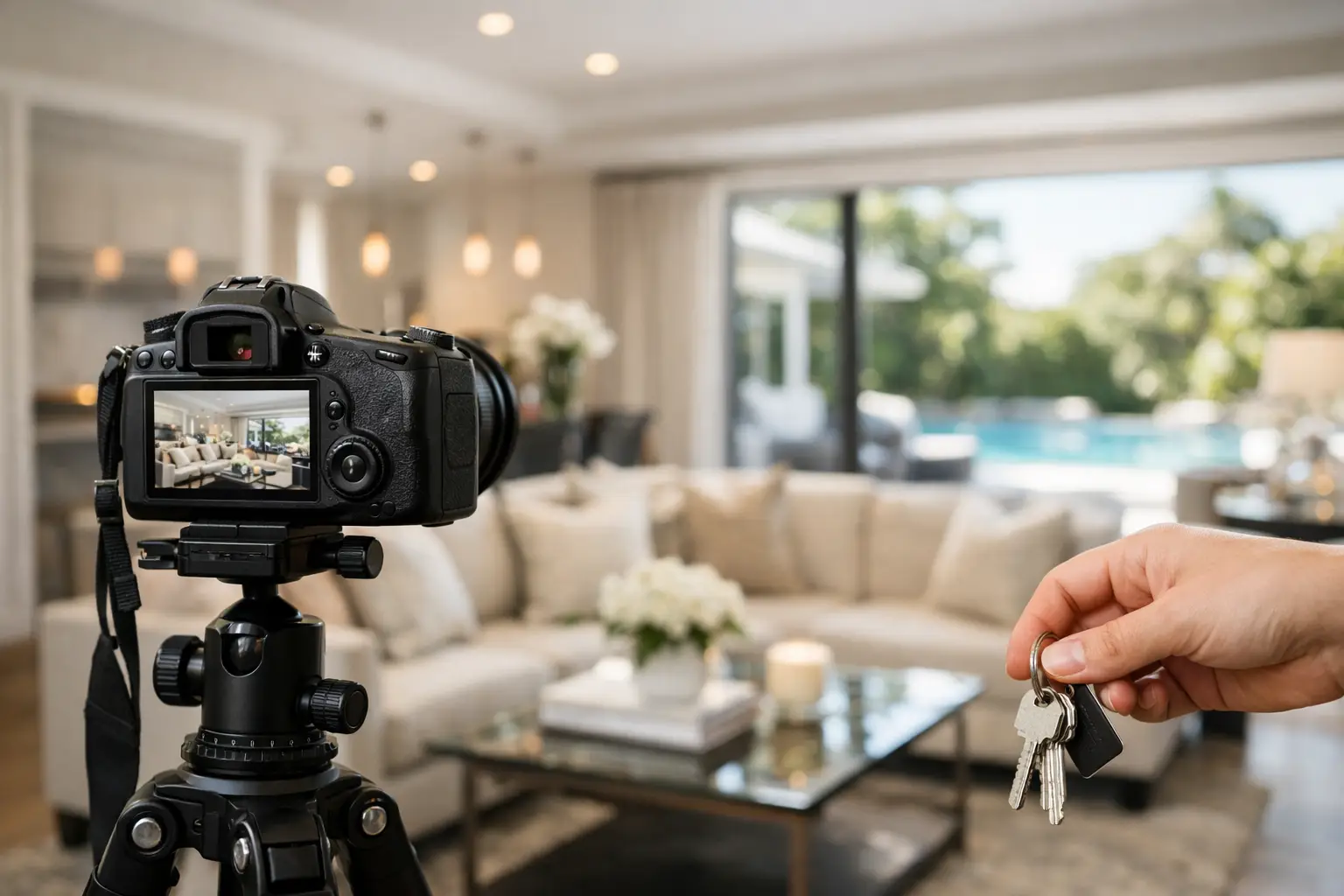
A luxury listing can lose momentum before a buyer reads the first property detail. On 30A, in Panama City Beach, and across the Emerald Coast, photography is often the first showing for buyers comparing high-value homes from another state. To prepare a luxury home for listing photos, sellers need more than a quick cleaning. They need to position the property as a refined coastal asset with a lifestyle and value proposition that are immediately clear.
The objective is not to make a home look staged beyond recognition. It is to remove friction, control distractions, and direct attention toward the finishes, views, scale, and experiences that support the property’s pricing strategy.
Prepare a Luxury Home for Listing Photos With a Buyer’s Eye
High-end buyers notice details quickly, even on a phone screen. They register whether the entry feels intentional, whether the furnishings fit the room, whether the water view is unobstructed, and whether the home appears to have been carefully maintained. Rental investors are also evaluating operational clues: sleeping capacity, outdoor gathering space, storage, parking, and the condition of revenue-producing amenities.
Before moving a single accessory, walk the home as if you were a qualified buyer seeing it for the first time. Start at the street, move through the entry, and follow the natural path toward the home’s strongest features. In a gulf-front residence, that may be the view corridor and outdoor living area. In a 30A retreat, it may be the pool, proximity to the beach, architectural character, or the easy transition between interior and exterior spaces.
Ask a direct question in each room: what is this image meant to sell? A bedroom may sell calm and scale. A chef’s kitchen may sell finish quality and entertaining capacity. A bunk room may sell rental appeal. If a room does not communicate a clear benefit, it needs editing before the photographer arrives.
Start With Repairs, Maintenance, and Surface-Level Precision
Photography magnifies small deficiencies. A smudged stainless appliance, loose cabinet pull, burnt-out bulb, water-spotted shower glass, or stained outdoor cushion can undermine a premium presentation. These are not cosmetic details when a buyer is deciding whether a home is turnkey or likely to require immediate attention.
Address visible maintenance before investing in decorative changes. Replace mismatched bulbs, repair cracked grout, touch up wall scuffs, remove rust from exterior hardware, and clean windows inside and out. In coastal homes, salt air, humidity, sand, and heavy rental use create wear that owners may stop seeing. The camera will not.
Outdoor maintenance deserves equal attention. Pressure wash pavers and decks when appropriate, skim the pool, straighten loungers, prune dead landscaping, and confirm that exterior lighting is functioning. A weathered coastal patina can be appealing when it is authentic to the architecture. Neglected maintenance is different. The line is clear in photography.
Edit the Home Instead of Emptying Its Personality
Luxury photography should feel elevated, not sterile. Buyers want to understand how a home lives, particularly in second-home and vacation markets where the emotional pull of ownership matters. The right level of styling creates a sense of ease without making the property feel like a showroom.
Remove personal photos, medications, paperwork, countertop appliances, pet supplies, visible cords, and excess collections. Clear most kitchen counters, bathroom vanities, and bedside tables. Then retain a restrained number of quality pieces that add warmth: a sculptural bowl, a tailored throw, fresh greenery, or a well-composed coffee table.
Scale matters more than decoration. Oversized furniture can make a room appear smaller, while too many small items create visual noise. If a dining room is currently used as an office or storage area, restore it to its intended purpose for photos. Buyers should not have to work to understand the floor plan.
For homes that function as vacation rentals, show the lifestyle without overemphasizing operations. A polished bunk room, game area, or outdoor dining setup can demonstrate guest appeal. Avoid filling every image with rental signage, supply bins, or owner instructions. Those details belong in operational conversations, not in the visual first impression.
Control Light, Views, and Coastal Conditions
Light is one of the most valuable assets in coastal real estate photography, and it requires planning. Open blinds and shades where the view is a selling feature, but assess each room for glare, harsh shadows, and washed-out interiors. Professional photographers typically balance exposures, yet the room still needs to be prepared for the conditions they will encounter.
Turn on interior and exterior lights, provided bulb temperatures are consistent. Mixing cool daylight bulbs with warm incandescent bulbs can make a well-designed home look disjointed. Warm, clean lighting generally supports a more inviting result, while excessively bright or mismatched fixtures can distract from architectural finishes.
Windows, sliding doors, mirrors, and glass railings should be spotless. Fingerprints and salt residue are particularly visible in gulf-front properties. If the home has a notable view, remove furniture or decor that interrupts the sightline. A view is not background scenery in a luxury listing. It is a central component of value.
Weather introduces a practical trade-off. Blue-sky photography is often ideal for showcasing pools, beaches, and outdoor spaces, but a dramatic cloud cover can complement certain architectural styles or create a more dimensional water view. The right choice depends on the property, the season, and the listing’s broader visual strategy. For a home with exceptional sunset exposure, timing the shoot around late-afternoon light may be worth more than scheduling the earliest available appointment.
Give Priority to the Rooms That Influence Value
Not every room needs equal visual weight. The most effective listing photography builds a case for the price through the spaces buyers care about most. For a luxury coastal home, those usually include the front elevation, entry, main living area, kitchen, primary suite, outdoor living space, pool, and any defining view.
Prepare these areas with the highest standard of detail. Set the outdoor dining table simply if it photographs well. Align bar stools. Fluff cushions, roll pool towels only if they fit the home’s style, and conceal pool equipment. In the kitchen, display the quality of the finishes rather than crowding the island with decorative objects.
A primary suite should feel private and spacious. Remove extra pillows that overwhelm the bed, clear the closet floor if the closet will be photographed, and keep the bath surfaces nearly empty. In a high-value listing, the buyer should see a retreat, not a family’s morning routine.
Secondary spaces can carry strategic weight as well. A flex room may signal a home office for a second-home owner. A generous garage may matter to buyers with vehicles, beach equipment, or golf carts. A well-organized owner’s closet can quietly reinforce that the home works for both personal use and rental operations.
Prepare Exterior Spaces for the Lifestyle Being Sold
Coastal buyers often make decisions around the time they expect to spend outside. The exterior should look as usable and considered as the interior. That means clean furniture, orderly landscaping, an open pool deck, and no visible trash bins, hoses, leaf blowers, or maintenance supplies.
If the property has a dock, balcony, rooftop deck, outdoor kitchen, fire feature, or private beach access, prepare it as a feature rather than an afterthought. Arrange furniture to show scale and function. Avoid over-staging with excessive table settings or props. The strongest images allow buyers to imagine a morning coffee, family gathering, or sunset cocktail without being told what to feel.
For beachfront and gulf-view properties, check the view line from every major outdoor seating position. Move umbrellas, covers, or tall decor that block the water. When a buyer is paying for proximity to the coast, every image should reinforce that advantage.
Coordinate the Details Before the Photographer Arrives
The morning of the shoot is not the time to make design decisions. Create a room-by-room plan the day before and assign responsibility for pets, vehicles, trash, mail, and personal items. Remove cars from the driveway and, if possible, from the street immediately in front of the home. Confirm that the pool service, landscaping crew, and maintenance vendors are not scheduled during the appointment.
During photography, the home should be vacant whenever possible. Sellers, children, and pets create logistical delays and may leave behind clutter in a room that has already been photographed. If occupancy is unavoidable, establish a simple holding area and keep it camera-ready.
The best results come from aligning preparation with positioning. Venture South Real Estate approaches listing presentation as part of the larger sales strategy, connecting the home’s visual story to its buyer profile, pricing, location, and investment potential.
A well-prepared home does more than photograph beautifully. It gives serious buyers confidence that the property has been managed with care, that its premium is justified, and that the coastal lifestyle they want is ready for them to step into.