
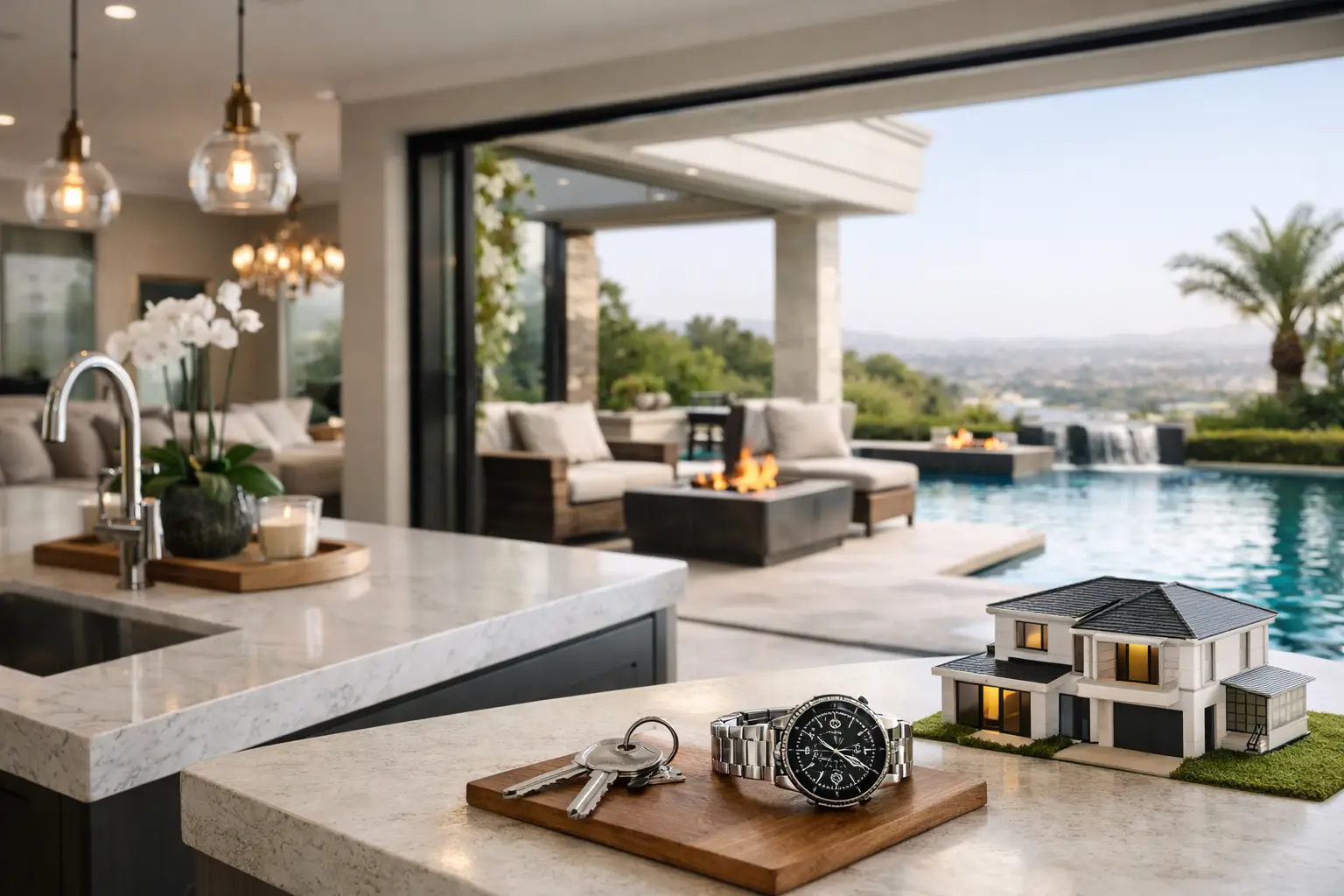
A luxury home rarely loses a buyer over one dramatic flaw. More often, value erodes through a series of smaller misses – a dated kitchen, underwhelming outdoor space, builder-grade lighting, or finishes that feel expensive but already behind the market. When owners ask about the best upgrades for luxury home resale, the real answer is not whatever costs the most. It is whatever improves buyer perception, supports pricing power, and fits the expectations of the submarket.
That distinction matters even more in coastal luxury markets. Along 30A, Panama City Beach, and the Emerald Coast, buyers are not only purchasing square footage. They are buying lifestyle, durability, rental potential in some cases, and confidence that the home will hold its position against competing inventory. The strongest upgrades are the ones that make a property feel current, easy to own, and difficult to dismiss.
What buyers actually pay for in luxury resale
Luxury buyers tend to reward upgrades that are visible, functional, and expensive to replicate after closing. They place less value on improvements that are highly personal or hidden unless those upgrades solve a known ownership concern. A whole-home automation package may sound impressive, but if the interface is outdated or overcomplicated, it can read as another system to learn and maintain. By contrast, a beautifully executed kitchen renovation photographs well, supports everyday use, and immediately strengthens first impressions.
In second-home and coastal markets, the standard is even higher. Buyers often compare your property not only to nearby resale inventory, but also to newer construction and premium vacation homes with polished interiors and hospitality-level outdoor spaces. If your finishes look even slightly dated, the pricing conversation shifts quickly.
The best upgrades for luxury home resale start with the kitchen
The kitchen remains one of the clearest drivers of resale performance because it influences both emotional response and practical value. In luxury properties, this does not mean chasing every design trend. It means creating a clean, high-end, durable environment with broad appeal.
Buyers respond to integrated appliances, custom or semi-custom cabinetry, natural stone or high-quality quartz, strong lighting, and a layout that supports entertaining. Oversized islands continue to perform well, especially in open-concept homes where the kitchen anchors the main living space. In coastal properties, lighter finishes often photograph better and align with buyer expectations, but the palette should still feel elevated rather than overly themed.
The trade-off is cost discipline. A full kitchen gut renovation can produce strong returns when the existing condition is clearly holding the home back. If the cabinetry is solid and the layout works, selective improvements may be smarter – new counters, hardware, lighting, backsplash, and premium appliance upgrades can materially improve perception without overspending.
Bathrooms that feel like private suites
Primary bathrooms carry real weight in luxury resale because they shape how buyers judge the entire home. An outdated bath can undermine an otherwise strong property. A well-executed bath, on the other hand, reinforces quality and helps justify premium pricing.
The features that move the needle are not flashy for the sake of being flashy. Buyers want large-format tile or stone, frameless glass showers, quality fixtures, layered lighting, and vanities with strong storage. Freestanding tubs can add value when the room size supports them, but in many homes, a spacious shower is the better use of space. Double vanities remain a practical expectation in luxury primary suites.
Guest bathrooms matter too, particularly in homes marketed as second residences or vacation properties. Buyers notice when every bath feels intentional rather than when only the primary suite receives attention.
Outdoor living often delivers outsized value
In Florida coastal markets, outdoor living is not an accessory. It is part of the core product. Luxury buyers expect exterior spaces to function as extensions of the home, not leftover square footage around a pool.
Covered lanais, upgraded pool decks, outdoor kitchens, motorized screens, integrated audio, thoughtful landscaping, and strong evening lighting can all strengthen resale. The goal is to create spaces that are visually compelling and easy to use. A buyer should be able to picture morning coffee, sunset entertaining, and low-maintenance ownership within seconds of stepping outside.
This is one area where it is easy to overspend without enough discipline. A highly customized water feature or elaborate hardscape may appeal to one buyer and do little for another. By contrast, comfortable covered seating, a clean pool renovation, and a well-designed outdoor cooking area generally have broader market appeal.
Best upgrades for luxury home resale in coastal markets
Coastal luxury resale has another layer that inland markets do not. Buyers care about resilience, maintenance exposure, and insurance implications, whether they say it directly or not. Upgrades that strengthen the home’s durability can support marketability, especially when paired with visible design improvements.
Impact-rated windows and doors are a prime example. They improve storm protection, reduce noise, support energy performance, and signal thoughtful ownership. Roofing updates, elevated HVAC performance, moisture-resistant materials, and improved drainage may not be the first features shown in listing photography, but they become powerful during due diligence and buyer comparison.
These improvements rarely create the same emotional response as a new kitchen. Their value is strategic. They reduce friction, support confidence, and help prevent renegotiation. In premium coastal inventory, that matters.
Lighting, flooring, and finish consistency
Not every high-return improvement requires construction. Some of the most effective resale upgrades come from correcting inconsistency. Luxury buyers are highly sensitive to a home that feels pieced together over time.
Dated chandeliers, yellow-toned recessed lighting, mixed hardware finishes, and flooring transitions from room to room can subtly weaken the property’s positioning. Replacing lighting with cleaner architectural fixtures, installing cohesive flooring where appropriate, and standardizing finish selections can make the home feel more current and more expensive.
This is especially important before professional photography and marketing. A home with consistent finishes typically presents better online, and luxury resale starts with digital impression long before a showing is scheduled.
Smart home features, but only when they feel effortless
Technology can help a luxury home compete, but only if it works cleanly. Buyers appreciate whole-home audio, smart climate control, security integration, motorized shades, and app-based access when the systems are intuitive and current. They are less enthusiastic about outdated touch panels, overly complex programming, or proprietary systems that require specialist maintenance.
If a home already has technology infrastructure, it may be more effective to simplify and modernize it than to add more. In resale, the best tech upgrade is often the one that disappears into the ownership experience.
Wine rooms, gyms, and other specialty spaces
Specialty spaces can be valuable, but this is where judgment matters most. A polished home office, well-designed fitness room, or media lounge can help a luxury listing stand out. A highly specific customization, such as a collector-grade showcase built for a narrow audience, can limit appeal if it consumes space that buyers would rather use differently.
The safest approach is flexibility. Buyers respond well to spaces that feel premium yet adaptable. A room staged as a gym but usable as a bunk room, office, or secondary lounge is more powerful than a room with a single rigid identity.
Where owners often get it wrong
The most common mistake is assuming expensive equals valuable. It does not. The market rewards alignment. A $300,000 renovation in a home that still lacks cohesive design, outdoor function, or storm-resilient features may not outperform a more disciplined $125,000 plan focused on the areas buyers notice most.
Another mistake is renovating for personal taste right before selling. Bold stone selections, niche wallpapers, dramatic built-ins, or trend-heavy color choices can work in the right property, but luxury resale usually benefits from confidence and restraint. Buyers want a home that feels elevated, not someone else’s design experiment.
Timing matters as well. If you are planning to sell within 12 to 24 months, choose improvements that can be completed well, photographed well, and enjoyed just enough to show they are established without drifting out of style.
How to choose the right upgrade strategy
The right plan starts with your competitive set. Compare your home against the listings and recent sales that a serious buyer will evaluate side by side. Where are you clearly behind? Where can a targeted improvement change perception fast? Which upgrades are expected at your price point, and which ones are optional?
That analysis is far more useful than broad remodeling averages. A gulf-front home, a second residence in a gated 30A community, and a luxury short-term rental near the beach may all require different upgrade priorities even at similar price levels. For some homes, the answer is a full kitchen and bath refresh. For others, it is exterior improvement, lighting, paint, staging support, and mechanical updates that make the property feel turnkey.
This is where broker-level market guidance matters. At Venture South Real Estate, resale strategy is not about recommending improvements in the abstract. It is about identifying the upgrades that support pricing, shorten time on market, and strengthen the asset’s position in a highly competitive coastal environment.
The best renovation decision is rarely the most ambitious one. It is the one that makes the next buyer feel they are stepping into a home that has already been brought to the standard they expected to find.