
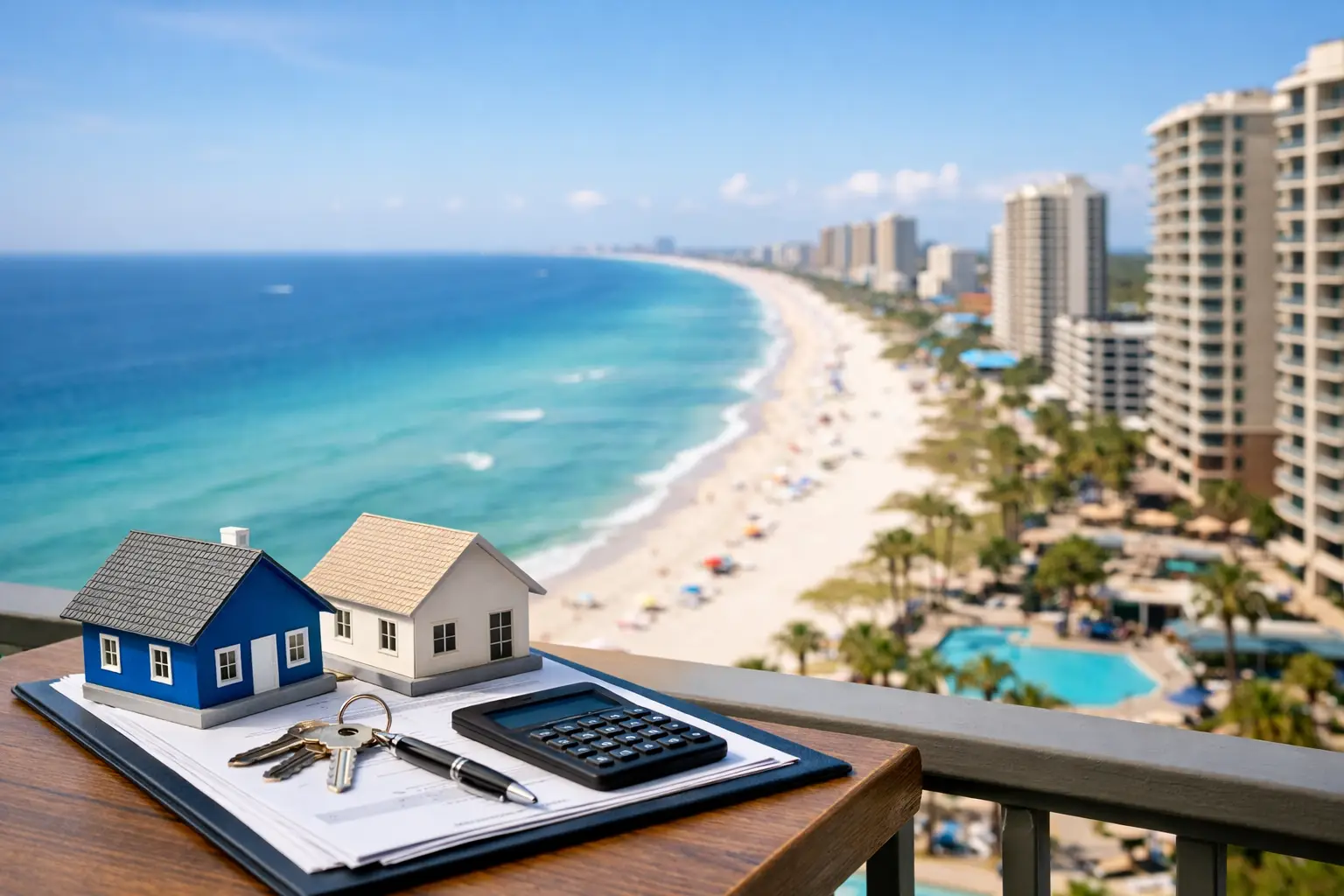
A strong panama city beach investment property rarely looks accidental. The assets that perform well here tend to sit at the intersection of three factors – location discipline, rental usability, and a clear exit strategy. Buyers who approach this market with only a beach-house mindset often overpay for emotion. Buyers who treat it strictly like a spreadsheet can miss what actually drives occupancy, guest satisfaction, and resale velocity on the Gulf Coast.
Panama City Beach continues to attract investor attention because it offers something not every coastal market can: broad vacation demand across a wide range of price points. That matters. A market with only luxury demand can be thin. A market with only budget inventory can struggle to hold long-term value. Panama City Beach has enough product diversity to support different strategies, from entry-level condos to high-end gulf-front homes, but that also means selectivity matters more than ever.
Why Panama City Beach investment property keeps attracting buyers
The case for Panama City Beach starts with demand. This is a high-visibility destination with established tourism, strong seasonal traffic, and a recognizable brand for drive-to and fly-in vacationers. Investors are not trying to create demand from scratch here. They are entering a market where vacation behavior is already well established.
That said, demand alone does not make a property a good investment. The better question is what type of demand your asset is built to capture. Some properties perform because they are directly beachfront and command premium weekly rates. Others win by offering lower acquisition costs, family-friendly layouts, and easier ongoing maintenance. The distinction matters because gross rental revenue can look impressive on paper while net performance tells a different story.
A disciplined investor also looks beyond one strong season. Panama City Beach has durable appeal, but like any vacation rental market, income can fluctuate with weather, travel trends, insurance costs, and competition from newer inventory. The right acquisition is the one that can remain attractive not only during peak demand but through changing market conditions.
What separates a strong acquisition from an average one
A high-performing panama city beach investment property usually gets the basics right before anything else. The property must be easy to rent, easy to understand, and easy to resell. That sounds simple, but many underperforming purchases fail on one of those three points.
Ease of rentability starts with the guest experience. Floor plan matters. Parking matters. Walkability matters. Elevator access in a condo building matters more than many first-time investors expect. So do owner restrictions, pet policies, and amenity quality. Guests compare options quickly, and properties that create friction lose pricing power.
Ease of understanding is an investor issue. If projected income depends on an aggressive renovation, unusually high occupancy assumptions, or a management plan that requires constant owner involvement, the deal may be less stable than it appears. The best acquisitions are often the ones with a clear operating story. You should be able to explain in a few sentences why this unit or home will outperform competing inventory.
Ease of resale is where many buyers become more strategic. A property can produce income now and still be difficult to exit later if the building has weak financials, dated common areas, heavy deferred maintenance, or functional obsolescence. Resale value is not separate from investment performance. It is part of it.
Location within Panama City Beach matters more than price alone
Not all Panama City Beach locations perform the same way, even when average nightly rates across the area appear strong. Micro-location can change rental demand, traffic patterns, beach access, noise levels, and buyer appeal at resale.
Gulf-front property often commands the most attention for obvious reasons, but premium pricing also raises the bar for acceptable returns. An investor buying direct beachfront inventory needs confidence in rate strength, building quality, and long-term desirability. Small differences in view corridor, beach access convenience, and tower reputation can materially affect performance.
Properties slightly off the beach can also make sense, particularly when acquisition cost is lower and the home offers features that families value, such as multiple bedrooms, private outdoor space, or parking flexibility. In some cases, a well-positioned non-gulf-front asset can produce a better overall return profile than a more expensive unit with a stronger headline location.
This is where local market intelligence becomes decisive. Two properties can look similar in online photos and still have very different rental ceilings because of building rules, beach logistics, or guest preference patterns that only show up in actual market behavior.
Condos versus homes: the right choice depends on strategy
For many investors, the first major decision is whether to buy a condo or a detached home. There is no universal answer. The better fit depends on your capital structure, risk tolerance, and operating goals.
Condos usually offer a more straightforward entry point into the market. They can provide strong rental appeal, especially in established beachfront towers with desirable amenities. They are often simpler for part-time owners who want less exterior maintenance responsibility. But condo ownership comes with trade-offs. HOA dues, special assessment exposure, building rules, and insurance dynamics can materially affect net income.
Single-family homes and larger beach houses can open a different lane. They may attract larger groups, support premium bookings, and offer more control over design and guest experience. They can also create more complexity. Maintenance is broader, management demands can increase, and pricing sensitivity may be higher at certain luxury tiers.
Sophisticated investors usually start with the intended hold strategy. If the plan is stable vacation rental income with broad buyer demand on resale, a well-selected condo may be the right fit. If the objective is stronger upside through renovation, differentiated branding, or high-capacity rental design, a detached home may justify the added complexity.
Underwriting the numbers without fooling yourself
The biggest mistake in coastal investing is confusing top-line revenue with actual performance. Gross rental projections can make almost any beach property look compelling. The discipline comes from stress-testing the operating assumptions.
Start with realistic occupancy and average daily rate expectations based on comparable inventory, not best-case listings. Then account for management fees, cleaning, maintenance, utilities, HOA dues if applicable, insurance, taxes, reserves, and periodic capital expenditures. A property with excellent booking volume can still disappoint if ownership costs are underestimated.
Insurance deserves particular attention in Florida coastal markets. Premiums can shift materially, and buyers should underwrite current costs with room for future pressure. The same is true for association health in condo buildings. Deferred maintenance, reserve issues, and pending improvements can affect both annual costs and future marketability.
Renovation upside should also be treated carefully. Value-add opportunities exist, but only when the post-renovation positioning is credible. Cosmetic improvements help when they move the property into a stronger competitive set. Spending heavily without a clear pricing or occupancy benefit can dilute returns instead of improving them.
The role of design, amenities, and management
In vacation rental property, performance is tied to presentation more tightly than in many other asset classes. Guests book what they can understand quickly. Clean design, durable finishes, strong photography, and practical amenities often influence results as much as square footage.
That does not mean every investor should create a heavily stylized product. In fact, overdesign can narrow appeal. The goal is a property that feels current, functional, and aligned with the expected renter profile. Family-oriented units need a different setup than luxury couples retreats or large-group beach houses.
Management quality also has a direct financial impact. Revenue management, guest communication, maintenance responsiveness, and housekeeping consistency all affect reviews and repeat demand. A mediocre manager can quietly erode performance even when the asset itself is strong. For investors building a portfolio, operational discipline becomes part of acquisition strategy, not an afterthought.
Buying for today while planning for exit
The strongest investors in this market buy with two clocks in mind – current income and future liquidity. That means asking not only whether the property will rent, but who will want to own it five to ten years from now.
Broad appeal generally supports better exits. Properties with intuitive layouts, desirable locations, manageable carrying costs, and recognizable rental strength tend to hold a deeper buyer pool. Niche properties can still work, but they require sharper pricing and more patience when it is time to sell.
At Venture South Real Estate, that is often where the conversation gets more sophisticated. A purchase is not just about buying beachfront square footage. It is about positioning capital in an asset that can serve both lifestyle and performance objectives without relying on optimistic assumptions.
Panama City Beach remains a compelling market, but it rewards precision more than enthusiasm. The buyers who do best here are the ones who understand that a beach property is not automatically an investment property. The opportunity is real when the asset, the numbers, and the long-term plan all support each other.