
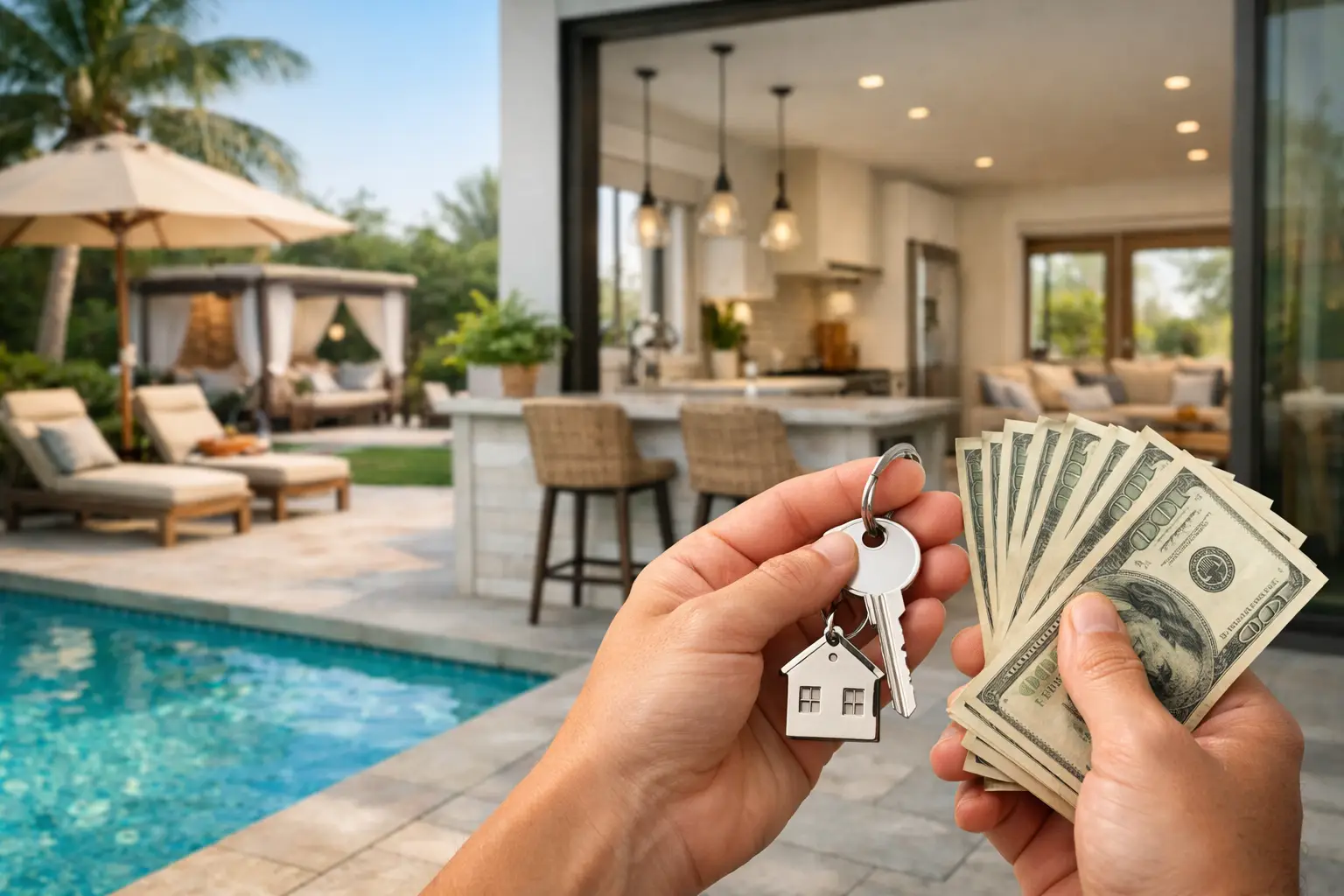
A vacation rental competes on a screen long before a guest walks through the door. Along 30A, Panama City Beach, and the Emerald Coast, polished photography, new inventory, and elevated guest expectations make the top upgrades for vacation rental appeal a revenue decision, not simply a design exercise. The strongest improvements help a property earn attention, justify its rate, reduce guest friction, and hold their value when it is time to sell.
The objective is not to make every rental look identical. It is to identify where a home is underperforming relative to its location, guest profile, price tier, and competitive set. A gulf-front luxury home requires a different capital plan than a two-bedroom condo near the beach. In both cases, the best renovation choices balance visual impact with durability, operational simplicity, and measurable rental upside.
Start With the Revenue Gap
Before selecting finishes or ordering furniture, establish what the property needs to accomplish. Review comparable rentals by bedroom count, walkability, beach access, amenities, and seasonal rate performance. Look beyond their asking rates. Their calendars, review volume, photo quality, and apparent booking pace often reveal more about the upgrades guests are actually rewarding.
A property that receives plenty of views but few bookings may have a presentation or value-perception problem. One that books consistently but earns weak reviews may need better bedding, climate control, parking clarity, or kitchen functionality. A home with high peak-season demand and soft shoulder-season occupancy may benefit from amenities that make a stay compelling beyond beach weather.
This analysis prevents a common mistake: investing heavily in a visually dramatic renovation that does not meaningfully improve the property’s position. A $40,000 kitchen may be justified in a premium home where guests gather and entertain. In a compact condo, that same budget may produce a stronger return when divided among bathrooms, sleep accommodations, outdoor space, lighting, and professional photography.
Top Upgrades for Vacation Rental Appeal
Create an arrival guests remember
The first five minutes shape the guest’s perception of the entire stay. A clean, well-lit exterior, easy parking, a reliable smart lock, visible house numbers, and a clear route from car to entry eliminate early frustration. These improvements are not glamorous, but they reduce support calls and establish confidence.
For single-family homes, prioritize curb appeal that can withstand coastal conditions: low-maintenance landscaping, refreshed exterior paint where warranted, attractive but durable entry hardware, and lighting that makes late arrivals feel secure. For condos, focus on the front door, entry hall, luggage-friendly storage, and a polished first visual moment inside.
A dedicated drop zone with hooks, a bench, and space for beach bags can outperform a decorative console table. Guests arrive with coolers, strollers, towels, and sandy shoes. A rental that accommodates real vacation behavior feels more considered than one designed only for listing photos.
Upgrade sleep quality before chasing trends
Sleep is one of the most reliable drivers of positive reviews, yet it is frequently underfunded. Invest in supportive mattresses, quality mattress protectors, blackout window treatments where appropriate, layered pillows with different firmness options, and substantial bedding that feels clean and well maintained.
Bedroom design should also solve practical issues. Each room needs adequate bedside lighting, accessible charging, window coverings, luggage surfaces, and storage. A beautifully styled bedroom with nowhere to place a suitcase signals that the owner has not considered the guest experience.
Where layout allows, adding a legitimate additional sleeping zone can improve revenue potential. The word “legitimate” matters. A bunk room with proper circulation, lighting, and privacy can be an asset for family-focused rentals. A sofa bed placed in a crowded living room may create a higher advertised occupancy but can generate complaints and lower review scores. Capacity should be comfortable, not theoretical.
Make bathrooms feel clean, current, and durable
Bathrooms create a disproportionate impression of quality. Guests may forgive a modest kitchen in a well-located beach rental, but they rarely overlook dated, poorly lit, or difficult-to-clean bathrooms.
Full gut renovations are not always necessary. Replacing worn vanities, mirrors, faucets, lighting, shower doors, and tile accents can produce a major reset. Choose materials that tolerate humidity, sunscreen, sand, and frequent cleaning. Frameless shower glass can look excellent, but only if the management team can maintain it at the standard guests expect. In some high-turnover homes, a quality shower curtain system is the more practical operational choice.
Include hooks, shelf space, and enough towel bars for the property’s occupancy. These are small details, but they address a recurring vacation-rental frustration: wet towels and swimsuits with nowhere to go.
Treat the kitchen as a guest-use asset
A vacation rental kitchen does not need to replicate a primary residence, but it must work for the way guests actually travel. Families prepare breakfast, stock groceries, make beach lunches, and often cook several dinners during a weeklong stay. A kitchen that photographs well but lacks cookware, serving pieces, sharp knives, and pantry space will be exposed quickly in reviews.
The highest-value kitchen improvements often include durable countertops, refreshed cabinet fronts or hardware, a quiet dishwasher, dependable refrigerator capacity, under-cabinet lighting, and a better coffee setup. If the property attracts larger groups, double ovens, an ice maker, beverage refrigerator, or larger dining table may support a higher rate. If it serves couples and weekend guests, a major appliance package may be unnecessary.
Avoid over-customizing. Highly distinctive finishes can date quickly and narrow resale appeal. In coastal markets, a restrained palette, good lighting, and materials that feel elevated without being precious tend to position well across both rental and resale audiences.
Build outdoor spaces that extend the stay
On the Emerald Coast, outdoor living is often the difference between a nice rental and a preferred rental. Guests pay for proximity to the beach, water views, warm evenings, and the ability to gather outside. Underused patios, balconies, decks, and pool areas represent a clear opportunity.
Start with comfortable seating sized for the home’s guest count, not just two decorative chairs. Add shade where exposure is intense, dining space where meals are likely to happen, and lighting that creates an inviting evening setting. For homes with room and proper approvals, features such as a heated pool, spa, outdoor shower, fire feature, or outdoor kitchen can materially strengthen a property’s competitive position.
These additions require disciplined underwriting. Pools and spas can raise revenue, but they also bring maintenance, insurance, safety, heating costs, and management oversight. Their return depends heavily on the neighborhood, lot size, seasonality, and whether comparable properties already offer them. In some locations, a refined screened porch, upgraded balcony furnishings, and a high-quality grill station will deliver more value for less capital.
Invest in the amenities that reduce friction
Reliable high-speed internet, strong Wi-Fi coverage, smart televisions, and simple streaming access are baseline expectations, particularly for extended stays and guests who blend work with leisure. A mesh network may be a better investment than an expensive decorative feature if connectivity is inconsistent in bedrooms, outdoor areas, or upper floors.
Other operational upgrades deserve attention: a full-size washer and dryer, sufficient hot-water capacity, effective HVAC, ceiling fans, keyless entry, and a monitored moisture or leak-detection system. Coastal properties face humidity, salt air, storms, and intensive turnover. Systems that prevent a cancellation or an emergency call protect both guest satisfaction and ownership economics.
Do not confuse technology with convenience. Complex controls, too many remotes, and poorly labeled smart-home features can frustrate guests. The best technology is intuitive, dependable, and supported by clear instructions.
Make Design Work Harder
A cohesive interior can elevate a rental rate, but it must be designed for commercial use. Choose furniture with washable or performance fabrics, rugs that can be cleaned or replaced without difficulty, and seating that accommodates the listed occupancy. Avoid fragile white upholstery, overly sharp-edged coffee tables, and décor that consumes useful surfaces.
Professional design does not require a themed beach house. In fact, generic coastal décor can make a property blend into a crowded search page. A more compelling approach is a layered, location-aware design with natural textures, thoughtful art, warm lighting, and one or two memorable visual moments that photograph well. The goal is distinction without sacrificing broad appeal.
Photography should follow the upgrade plan, not precede it. Once the home is staged, lit, and fully prepared, updated photography, floor plans, and an accurate amenity description allow the investment to convert into demand. Good improvements hidden behind dated images produce limited results.
Prioritize Capital by Impact and Timing
The best owners sequence upgrades around their rental calendar. Address safety, HVAC, water intrusion, and deferred maintenance first. Then focus on sleep, bathrooms, kitchens, outdoor living, and presentation. Cosmetic work is most valuable when the home’s core systems and operations are already dependable.
It also pays to consider resale from the beginning. Improvements that support a stronger rental story while appealing to future second-home buyers generally create the most durable value. Highly personal choices, excessive bedroom conversions, or expensive features with narrow appeal can complicate a future sale even when they deliver a short-term booking bump.
For owners evaluating acquisition, renovation, or repositioning, Venture South Real Estate can help connect the upgrade budget to local rental revenue, buyer demand, and the property’s likely exit strategy. The right plan is not the longest wish list. It is the one that makes the home more competitive every time a prospective guest, investor, or future buyer compares it with the alternatives.