
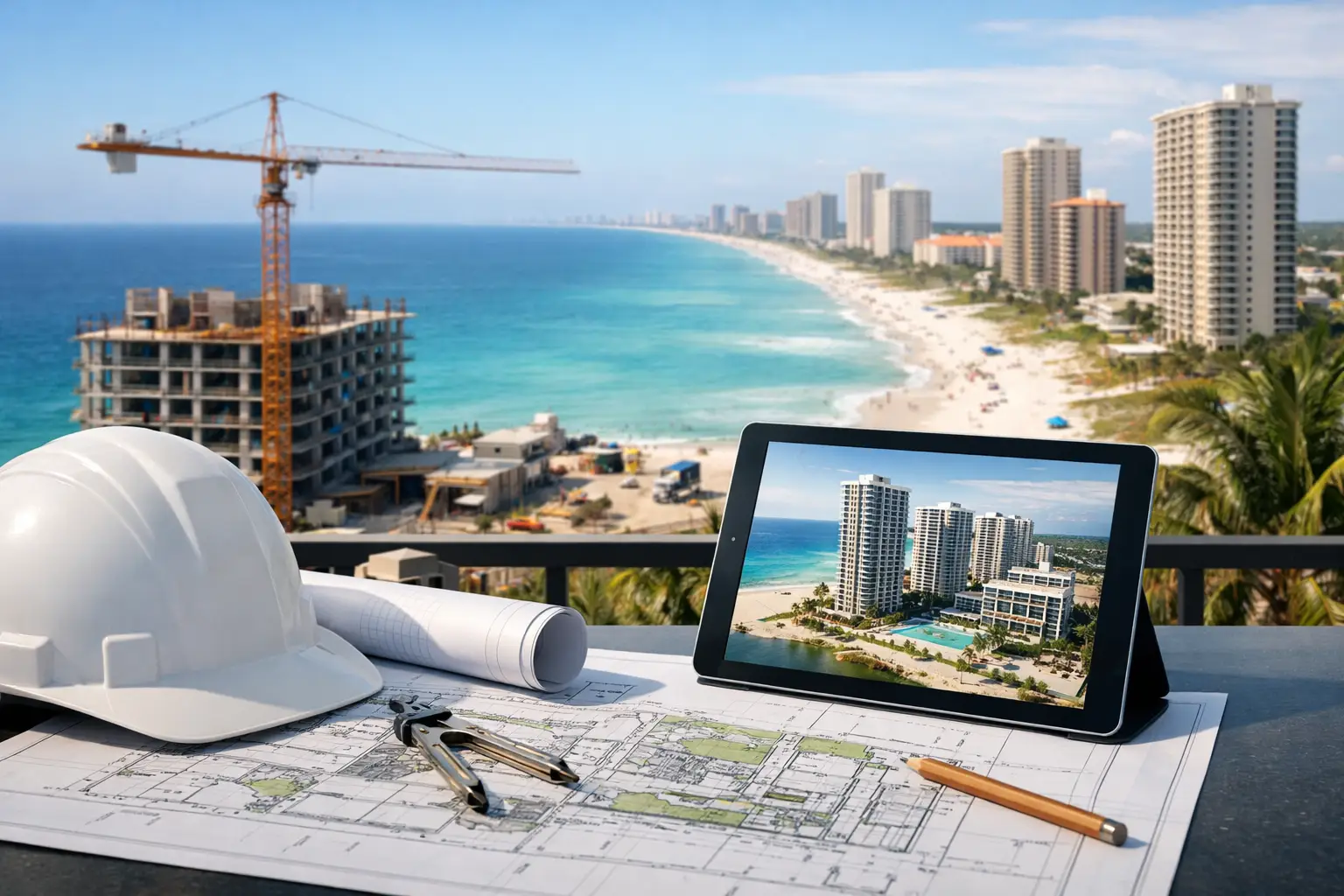
A pre-construction reservation can look simple from a distance: select a unit, make deposits, wait for delivery, and own a new coastal asset. In Panama City Beach, that approach leaves too much to chance. A successful Panama City Beach pre construction strategy begins well before a contract is signed, with a clear view of the project, the unit, the buyer’s capital position, and the property’s likely place in the market when it is finally delivered.
For second-home buyers, pre-construction offers the appeal of modern design, low initial maintenance, and the ability to secure a preferred view or floor plan before completed inventory reaches the market. For investors, it can create an opportunity to acquire a newer rental asset in a market where quality, proximity to the beach, and amenity packages can influence guest demand. The trade-off is time. Buyers are committing capital today for an asset that may not be usable, rentable, or financeable on the original schedule.
Start With the Project, Not the Rendering
Architectural renderings and model finishes are designed to sell a vision. They are not a substitute for analyzing the development behind the vision. The strongest opportunities typically come from a sponsor with a credible delivery history, a defined capital plan, and a product positioned for the specific segment of Panama City Beach it intends to serve.
Begin with the developer’s completed projects. Look beyond whether prior buildings were attractive at launch. Consider construction quality several years after delivery, the pace of sales, association management, maintenance standards, and whether owners achieved the resale or rental performance initially anticipated. A developer with a disciplined record is not a guarantee, but it is meaningful risk context.
The project’s location deserves equally close analysis. Beach access, gulf frontage, protected views, walkability, traffic patterns, nearby commercial activity, and the character of adjacent properties all affect long-term value. A building one block from the sand may serve a different buyer and renter profile than a direct gulf-front condominium. Neither is automatically better. The question is whether the price, unit design, and amenity offering properly reflect that position.
It is also worth studying the competitive pipeline. New supply can expand the area’s appeal, but it can also pressure rental rates and resale pricing if several similar towers deliver within a short period. An investor should not underwrite a unit as if it will be the newest product in the market indefinitely.
Match the Unit to the Intended Exit
In coastal real estate, not every unit within the same building performs the same way. Floor, orientation, view corridor, bedroom count, parking arrangement, storage, and proximity to elevators can materially change both buyer demand and rental usability.
A direct gulf-front residence with a strong outdoor living area may command a premium that is justified for a lifestyle buyer focused on view quality. A rental investor, however, may find that a slightly less expensive unit with a more functional sleeping configuration and lower carrying costs produces a better income profile. Corner units can be highly desirable, but only if the layout, exposure, and price premium make sense against comparable options.
Think through the likely exit before selecting a residence. If the plan is to hold as a vacation rental, prioritize the features guests filter for and pay for: usable bedroom count, beach proximity, balconies, parking, pools, fitness facilities, and straightforward access. If the property is intended as a second home with eventual resale, scarcity may matter more than maximum rental capacity. The best unit is not necessarily the most expensive one. It is the one with a defensible position in its buyer pool.
Underwrite the Real Cost of Ownership
Pre-construction pricing should be evaluated as a complete ownership commitment, not just a purchase price. Buyers should model deposits, financing assumptions, association dues, insurance, property taxes, furnishing costs, utilities, management fees, repairs, and reserves. On a vacation rental, the cost of setting up the residence to compete at a premium level can be substantial, particularly for larger units or buildings that target the luxury segment.
Rental projections require restraint. A polished pro forma may show strong occupancy and aggressive average daily rates, but projections are estimates, not income. Analyze them against comparable properties with similar location, bedroom count, amenity profile, and condition. Then stress-test the assumptions. What does the return look like if rates are lower, occupancy softens, or operating expenses exceed expectations?
Buyers should also verify whether short-term rentals are permitted by the condominium documents and how the association intends to manage them. Rental restrictions, minimum stay requirements, registration rules, pet policies, and amenity access can directly affect demand and management operations. A building that permits rentals is not automatically optimized for them.
Control Contract and Construction Risk
The purchase agreement is where a promising opportunity becomes a binding obligation. Florida pre-construction contracts can be detailed, developer-favorable documents with provisions governing deposits, completion estimates, material substitutions, closing costs, default, and remedies. Legal counsel experienced in Florida condominium transactions should review the agreement before the buyer’s decision period expires.
Pay close attention to the deposit schedule and where deposits are held. Understand what conditions allow the developer to amend plans, change finishes, alter amenity components, or extend delivery. Some flexibility is normal during construction. The issue is whether the changes permitted under the contract could affect the unit’s value, rental appeal, or intended use.
Completion timing should be treated as a range rather than a fixed date. Delays can arise from permitting, labor availability, weather, materials, financing, and inspections. Buyers who need a property for a specific season, a planned 1031 exchange timeline, or a coordinated sale of another asset should have contingency plans. Pre-construction is often best suited to buyers with flexible timing and liquidity that will not be strained by an extended construction schedule.
Plan Financing Before the Building Is Finished
A common mistake is assuming financing will be straightforward because the buyer is financially qualified today. The lending environment may change before closing, and condominium financing often depends on project-level conditions as well as borrower strength. Lender review can involve the association budget, insurance, owner-occupancy levels, reserves, litigation, and the number of units under contract.
A well-structured plan includes multiple scenarios. Consider the impact of higher rates, a lower appraised value, or a lender requiring a larger down payment. Cash buyers should still assess opportunity cost and preserve adequate reserves for closing, furnishings, and operating expenses. Investors should avoid allowing projected appreciation to become the only answer to a thin cash-flow model.
Use Delivery as a Repositioning Opportunity
The final months before closing are not a passive waiting period. They are the time to confirm design selections, arrange inspections, evaluate furnishings, secure insurance quotes, select management, and prepare a rental launch plan if applicable. New buildings often enter the market with many owners attempting to rent at the same time. Early listing quality, pricing discipline, professional photography, and operational readiness can influence first-year results.
At closing, inspect the unit carefully and document incomplete work, defects, or deviations from the contract. Review the association’s operating budget and initial reserve structure. New construction may reduce immediate maintenance needs, but a new association still needs sound governance and realistic financial planning.
Build a Panama City Beach Pre Construction Strategy Around Optionality
The most effective pre-construction buyers preserve options. They buy a unit they can enjoy if rental performance is merely adequate, carry comfortably if delivery shifts, and resell to a clearly defined buyer pool if their plans change. That discipline is particularly valuable in a coastal market where sentiment, insurance costs, financing conditions, and supply can move quickly.
Venture South Real Estate approaches pre-construction as an advisory decision rather than a reservation event. The goal is to identify whether a specific development and unit support the buyer’s lifestyle objectives, income expectations, and long-term equity position.
A strong coastal acquisition should still make sense after the initial excitement of a new tower fades. When the project, contract, capital structure, and exit strategy are aligned, pre-construction can be a compelling way to establish a well-positioned presence in Panama City Beach.